


Compact cargo vans are a great option to get started with van life, especially if you want to keep things simple. They blend in naturally in cities and neighborhoods, don’t stand out like larger full-size vans, and are much easier to drive and park day to day.
In this guide, we’re focusing on popular compact low-roof cargo vans — not full-size vans like the Ford Transit or Mercedes-Benz Sprinter. If you’ve decided this smaller, more stealthy setup fits your needs, the next step is choosing the right model. We’ll walk you through the key features to look for, compare the most relevant options, and highlight their strengths and limitations so you can pick what works best for your build.
Best Compact Cargo Van Models for Van Life in 2026
Here are the five most popular compact cargo vans that van lifers have been buying and converting for years:
- Ford Transit Connect
- Nissan NV200
- Ram ProMaster City
- Mercedes-Benz Metris
The most popular ones are the Ford Transit Connect and Nissan NV200 — people love them because they are compact, stealthy, and easy to drive. The Ram ProMaster City follows closely for its extra width and payload, while the Mercedes-Benz Metris is chosen when people want more space or a heavier-duty build.
All of these models have been discontinued by their manufacturers. That means you can buy them only used in 2026. If you’re okay with these used vans, you can save thousands of dollars upfront. Just make sure to inspect the van properly before buying. We’ve explained the full inspection process step by step in our used van buying guide for van life.
But if buying a used van is a deal breaker, you may want to consider passenger minivans or full-size cargo vans like the Ford Transit, Mercedes-Benz Sprinter, or Ram ProMaster. These are still in production and offer multiple roof height options, including low-roof versions. However, they’re still larger than compact vans, so you lose some stealth. We’ve covered them in detail in our full-size cargo van buying guide for van life.
Look Out For These Specs When Buying
At first glance, most small cargo vans look pretty similar — they’re boxy work vehicles designed to haul stuff. But when you start planning a van life conversion, small differences in roof height, payload capacity, and layout flexibility can make a difference in how comfortable and practical your build turns out to be.
Trim Levels and Unnecessary Features
Small cargo vans are built for work, so they have much simpler trim levels than passenger minivans — usually just 2 or 3 options like base (Work Van or Tradesman), mid (XLT, SV, SLT), and sometimes a higher one (Titanium or Premium).
Higher trims often add features like touchscreen infotainment, power windows and locks, cruise control, rearview camera, nicer cloth seats, alloy wheels, or even a bit of sound insulation. These can make long drives more enjoyable, but not very important for van life.
Base or lower trims give you a reliable engine, basic safety features, and maximum cargo space at the lowest starting price — letting you save more of your budget for the actual conversion. Mid-level trims usually strike the best balance — they add useful daily-driving upgrades like power windows/locks, cruise control, and a simple audio system without piling on extras that add cost and weight for little real benefit.
So our recommendation would be to skip the highest trim unless you really want the extra comfort for long drives. Go for base or mid-level to keep things affordable and flexible for your build.
Engine & Drivetrain
For van life, your choice of engine and drivetrain affects fuel costs on long drives, traction on wet or gravel roads, and how practical the van is for daily use or off-grid living.
- Gas Engine: All compact cargo vans run on traditional gas engines — usually a 4-cylinder or V6 — which means simpler mechanics and lower upfront costs. You’ll pay more at the pump on long hauls compared to hybrids, but they’re reliable and easy to repair anywhere.
- Hybrid Engine: These are very rare in smaller cargo vans — basically none are available in the models we cover here. If you really want hybrid efficiency, you’ll need to look at passenger minivans or step up to a full-size van.
- Drivetrains: AWD is also very uncommon in this class — most compact cargo vans are front-wheel drive (FWD) only, which is fine for city driving and light rain but can slip more in snow, mud, or loose gravel. A few rare configurations (like certain Metris or Express models) offered optional AWD in older years, but it’s not standard or widely available.
If AWD or hybrid is a must-have for your van life, you have to look at minivans like the Toyota Sienna or step up to a high-roof van.
Ground Clearance
Ground clearance is an important spec to consider because low clearance can cause the van to scrape on gravel paths or forest roads when it’s fully loaded. Small low-roof cargo vans are built for city streets and light work, so they sit low to make loading easier. These vans have ground clearance between 5–7 inches (unloaded), which drops a bit when you add weight.
Dimensions and Layout Potential
Most compact cargo vans share similar exterior dimensions — around 180–200 inches long, 70–75 inches wide, and 70–80 inches tall. Wheelbases range from 115–120 inches in these models. Even though exteriors look almost the same, maximum cargo volume (behind the front seats, with no rear seats or bulkhead) differs quite a bit. For van life layouts, higher cargo volume and better interior length/height mean more room for the conversion. So remember to check cargo specs and test the space in person.

Payload Capacity & Weight Limits
Payload capacity is also very important for van life because it tells you exactly how much extra weight your van can safely carry — things like insulation, bed platform, water tank, solar batteries, fridge, tools, and all your personal gear.
If you plan a heavy build with lots of gear, go for higher-payload models like the Express/Savana or Metris. For lighter setups, any of these vans will work fine.
Now that you have seen what specs and features to look for when buying, let’s take a deeper look at each model one by one.
Ford Transit Connect
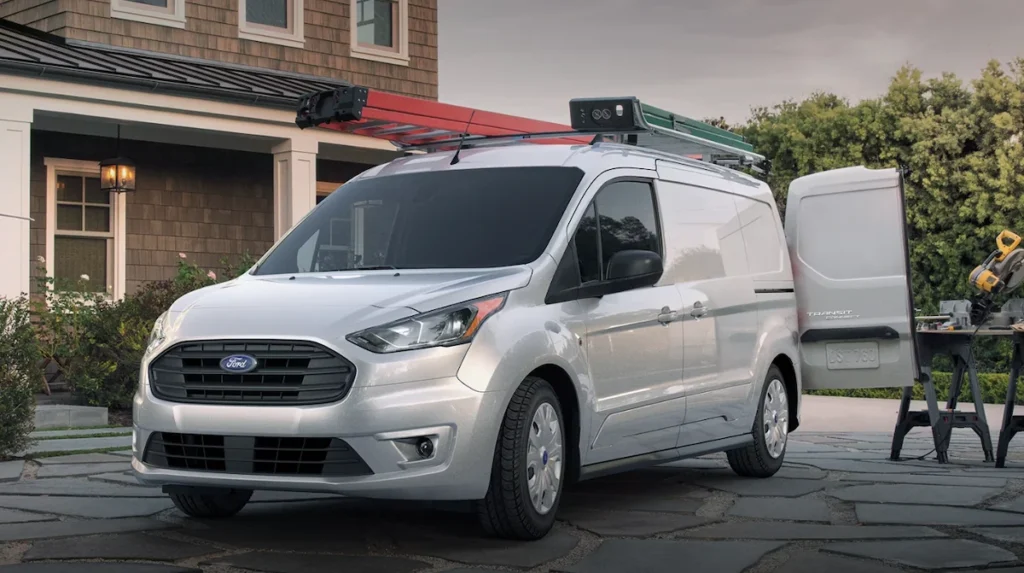
The Ford Transit Connect is one of the most popular compact cargo vans for van life, especially among beginners and budget-conscious travelers. It’s widely available in the used market, easy to drive, and feels closer to a regular car than a traditional van.
Why Van Lifers Choose the Transit Connect
The biggest reason van lifers choose the Transit Connect is how easy it is to live with day to day. It doesn’t feel like a commercial van — most owners describe it as driving more like a regular car. Steering is smooth and it’s far less tiring to handle in cities or on long drives compared to the ProMaster City or larger vans. That’s a major advantage if you plan to spend time in cities or want a more stealthy setup. While the NV200 is slightly smaller, many van lifers say it feels noticeably more cramped inside, which makes the Connect a better balance between space and usability.
Another practical advantage is ownership. Ford’s service network is everywhere, parts are easy to find, and most mechanics are comfortable working on it. Compared to something like the Mercedes Metris, this keeps maintenance simpler and more predictable — which matters a lot once you’re on the road.
Real-World Drawbacks of the Transit Connect
The biggest issue people talk about with the Transit Connect — and one that shows up consistently in forums — is the transmission, especially in used models.
Earlier models (2010–2013) are known for complete transmission failure in relatively low mileage ranges. Later models (2014–2021) also have well-documented issues with the automatic transmission, including shuddering, slipping, and premature wear. Even newer models aren’t completely free from complaints. Because of this, many van lifers strongly recommend a thorough transmission inspection before buying, and some won’t consider one at all without a solid service history or warranty.
Another common limitation is power. The small engines are efficient, but once you add a camper build, gear, and extra weight, many owners report that the van feels underpowered—especially on hills or highways. It often needs to work harder at higher RPMs, which can affect both driving comfort and long-term wear.
Overall, the Transit Connect works well as a simple, budget-friendly entry into van life. But the transmission risk and limited power mean it’s often better suited for shorter trips, lighter builds, or solo setups rather than long-term, heavy-use travel.
Ford Transit Connect Specs (2014–2023)
- Engine: 2014–2017: 2.5L Duratec or 1.6L EcoBoost I4; 2018–2023: 2.0L GDI
- Drivetrain: FWD only
- Fuel economy: 24–27 MPG
- Cargo volume: 145.8 cu ft
- Wheelbase: 104.8″, 120.6″
- Interior length: ~70–85 inches (depending on trim/wheelbase)
- Interior width: ~70 inches
- Interior height: ~49–60 inches
- Ground clearance: ~5.4–5.7 inches
- Payload: 1,000–1,570 lbs (depending on trim/wheelbase)
Price ranges in 2026
- Low-mileage (under 80,000 miles, 2020–2023 models): $20,000–$35,000
- Mid-mileage (80,000–150,000 miles, 2017–2020): $12,000–$22,000
- Higher-mileage or older (150,000+ miles, 2014–2017): $8,000–$15,000
Nissan NV200
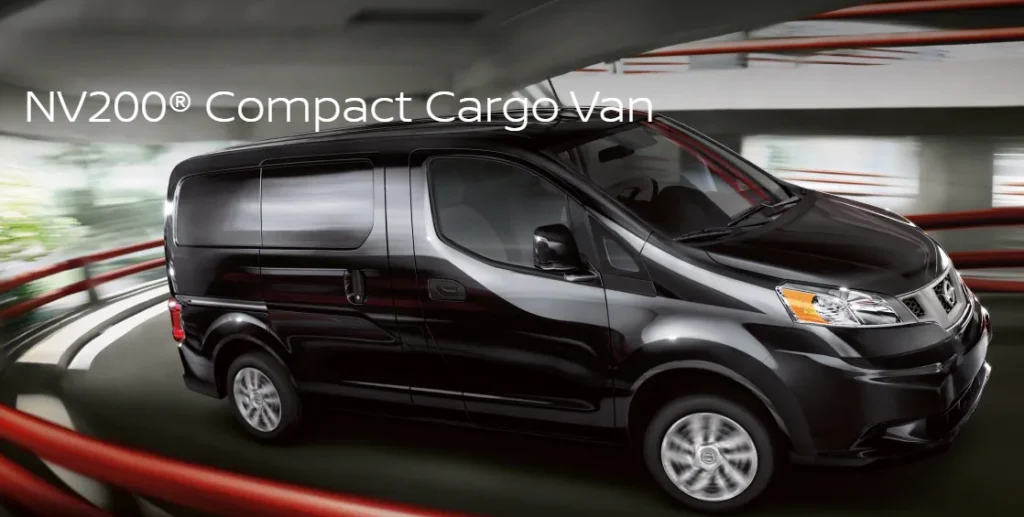
The Nissan NV200 is the cheapest compact low-roof cargo van you can buy. It’s smaller, simpler, and less common than options like the Transit Connect or ProMaster City, but it still has a dedicated following — especially among solo van lifers who want a minimal, low-cost setup.
Why Van Lifers Choose the NV200
The biggest reason people choose the NV200 is simple: cost. It’s the cheapest cargo vans you can buy, often several thousand dollars less than a comparable Transit Connect or ProMaster City. For beginners or anyone testing van life without a big upfront investment, that price difference matters.
Its compact size is another advantage. The NV200 is smaller than most competitors, which makes it extremely easy to park, maneuver, and use in cities. For stealth camping, it blends in well and doesn’t attract much attention. Despite its small footprint, some van lifers like the interior layout. It offers decent headroom for a compact van and allows an easy walk-through from the front seats to the back, which makes day-to-day use feel more connected compared to some other small vans.
There’s also a perception of simplicity and reliability. It comes with a single engine option and a straightforward design. Many owners prefer it specifically to avoid the more widely discussed issues in other vans — like Ford’s transmission problems or the complexity of newer systems. It’s not a high-performance van, but it’s generally seen as straightforward and dependable with basic maintenance.
Overall, the NV200 is usually chosen by solo travelers who want something cheap, simple, and easy to live with — rather than a long-term, full-featured build.
Real-World Drawbacks of the NV200
The NV200 doesn’t have a single major “deal-breaker” issue, but there are a few recurring problems that come up consistently in owner discussions.
The most common complaint is related to the sliding doors. Many owners report issues with doors not latching properly, getting stuck, or only opening from one side. It’s usually fixable, but it can become frustrating in daily use — especially in a van life setup where you’re constantly using those doors.
Ventilation is another commonly reported issue. The van has very limited airflow from the factory, which leads to heavy condensation buildup in colder conditions. Many van lifers say proper ventilation (like adding a roof fan) is almost necessary to avoid moisture and mold problems.
Also, it’s one of the smallest options in this category, and that shows in real-world usability. Interior width and length are limited, making arrangements tighter compared to alternatives like the ProMaster City or Metris.
That said, the engine and transmission are generally considered reliable, and many owners report high mileage without major mechanical failures. Most of the issues are manageable and not the kind that typically leave you stranded.
Nissan NV200 Specs (2013–2021)
- Engine: 2.0L 4-cylinder (same engine in all model year)
- Drivetrain: FWD only
- Fuel economy: 24–26 MPG
- Cargo volume: 122.7 cu ft
- Wheelbase: 115.2 inches (only option)
- Interior length: ~74–80 inches (depending on trim and model year)
- Interior width: ~68–70 inches
- Interior height: ~53 inches
- Ground clearance: ~6.1–6.4 inches
- Payload: ~1,480–1,500 lbs
Price ranges in 2026
- Low-mileage (under 80,000 miles, 2019–2021 models): $12,000–$18,000
- Mid-mileage (80,000–150,000 miles, 2016–2019): $8,000–$14,000
- Higher-mileage or older (150,000+ miles, 2013–2016): $5,000–$10,000
Ram ProMaster City
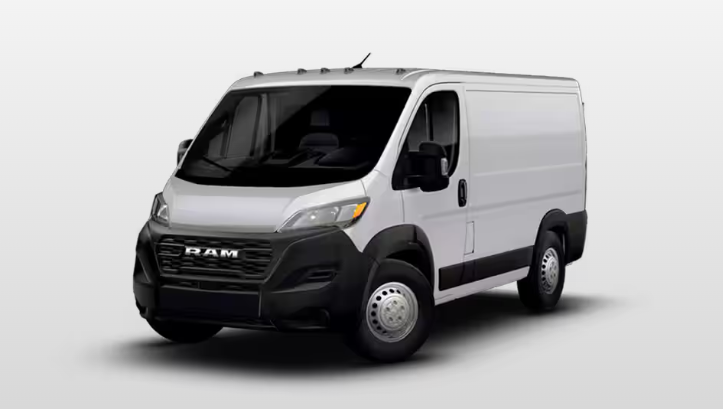
The Ram ProMaster City stands out in this category for its boxy shape and wide interior. Its biggest advantage is interior usability, with one of the widest cabins in this segment. It was built on the Fiat Doblo platform and feels noticeably roomier side-to-side than other small vans, making it easier to fit a comfortable bed layout or extra storage cabinets.
Why Van Lifers Choose the ProMaster City
The biggest advantage of the ProMaster City is its interior shape. It has straighter walls and a more boxy layout, which makes it easier to build inside. Many van lifers say it simply feels roomier and more usable, even if the overall size isn’t dramatically bigger.
It also offers a bit more power than most compact vans. The 2.4L engine has stronger low-end torque, which becomes noticeable once you add a bed, storage, and other gear. Combined with front-wheel drive, it feels more stable in snow or wet conditions compared to rear-wheel-drive setups.
Price is another factor. It’s often cheaper than a comparable Mercedes Metris and sometimes even undercuts low-mile Transit Connect models, while still offering good fuel economy for its size.
Overall, the ProMaster City appeals to van lifers who want a compact van that feels a bit more spacious and capable — without stepping up to a full-size build.
Real-World Drawbacks of the ProMaster City
The most commonly discussed concern with the ProMaster City is the engine, particularly in some 2021+ models. Some owners report excessive oil consumption — in some cases 1 quart every 1,000 miles. There are also reports of more serious issues like cylinder head problems or engine failure at relatively low mileage.
It’s not something that affects every van, but it comes up often enough in owner discussions that many recommend checking service history carefully or doing a proper inspection before buying.
Beyond that, the van gets mixed feedback on overall build quality. Some owners mention small but recurring issues like radiator leaks, electrical quirks, or interior rattles. These aren’t always serious problems, but they can add up over time and affect the ownership experience.
Still, many owners still have a good experience with the van, especially when it’s well-maintained. The main concern isn’t constant failure — it’s the inconsistency. Some vans run perfectly fine, while others develop issues earlier than expected.
Ram ProMaster City Specs (2015–2022)
- Engine: 2.4L Tigershark I4 (same engine in all model years)
- Drivetrain: FWD only
- Fuel economy: 21–28 MPG
- Cargo volume: 131.7 cu ft
- Wheelbase: 122.4 inches (only option)
- Interior length: ~87 inches
- Interior width: ~75.6 inches
- Interior height: ~51 inches
- Ground clearance: ~5.1–5.4 inches
- Payload: ~1,800–1,886 lbs
Price ranges in 2026
- Low-mileage (under 80,000 miles, 2020–2022 models): $14,000–$22,000
- Mid-mileage (80,000–140,000 miles, 2017–2020): $9,000–$16,000
- Higher-mileage or older (140,000+ miles, 2015–2017): $6,000–$11,000
Mercedes-Benz Metris
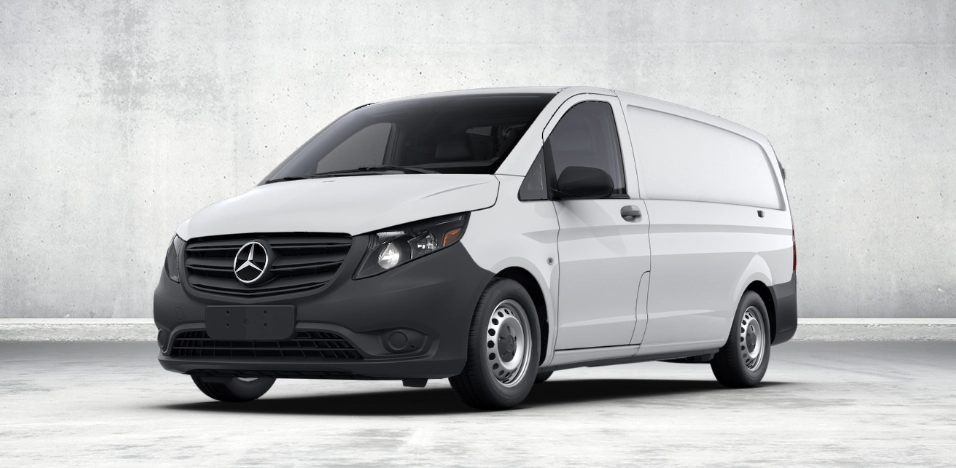
The Mercedes-Benz Metris sits in an interesting middle ground between compact vans and full-size cargo vans. It’s less common than other options in this category, but it’s gained popularity among van lifers who want more interior space without committing to a high-roof full-size van.
Why Van Lifers Choose the Metris
The main reason people choose the Metris is its overall build quality and how it drives. Compared to other compact vans, it feels noticeably more refined and powerful. The turbocharged engine gives it stronger acceleration.
It also offers more usable space than most compact options. The interior feels less cramped than the NV200 or Transit Connect, which makes it easier to design a more comfortable layout, especially for longer trips or two-person setups.
For some van lifers, it’s a way to get a balance — more comfort and performance than entry-level compact vans, without jumping all the way to a full-size high-roof van.
Real-World Drawbacks of the Metris
The biggest downside of the Metris is ownership cost. Maintenance and repairs are consistently more expensive than other compact vans, mainly because of Mercedes-specific parts and service. Many owners mention that even routine maintenance feels noticeably more expensive compared to Ford, Ram and other options.
Another commonly mentioned issue is faster wear on tires and brakes. And some smaller issues like sensor issues or minor electrical quirks — things like door sensors acting up or occasional warning lights. These aren’t usually serious problems, but they do come up in long-term ownership discussions.
The Metris doesn’t have a widely reported “deal-breaker” issue. Most owners consider it reliable overall, especially when properly maintained. The tradeoff is simple: you’re getting a better driving and comfort experience, but you’ll pay more to keep it running.
Mercedes-Benz Metris Specs (2016–2023)
- Engine: 2.0L turbocharged 4-cylinder (same engine in all model years)
- Drivetrain: FWD only
- Fuel economy: 19–23 MPG
- Cargo volume: 183–199 cu ft
- Wheelbase: 126 inches (standard) or 135 inches (long wheelbase)
- Interior length: ~105–111 inches (depending on trim/wheelbase)
- Interior width: ~70 inches
- Interior height: ~53 inches
- Ground clearance: ~5.2–5.4 inches
- Payload: ~2,150–2,502 lbs
Price ranges in 2026
- Low-mileage (under 80,000 miles, 2020–2023 models): $22,000–$35,000
- Mid-mileage (80,000–140,000 miles, 2018–2020): $16,000–$25,000
- Higher-mileage or older (140,000+ miles, 2016–2018): $12,000–$20,000
Compact Cargo Van Comparison
| Van | Engine Type | Drivetrain | Key Strength | Main Drawback |
|---|---|---|---|
| Ford Transit Connect | Gas | FWD | Best all-around balance, easy to drive, strong support network | Transmission reliability concerns, limited power |
| Nissan NV200 | Gas | FWD | Cheapest option, simple and reliable, great for tight city use | Very limited space, sliding door issues, poor ventilation |
| Ram ProMaster City | Gas | FWD | Boxy interior, more usable space, better low-end power | Engine reliability concerns (oil consumption), inconsistent build quality |
| Mercedes-Benz Metris | Gas (turbo) | FWD | Best driving experience, more space, premium feel | Expensive maintenance and repairs |
Final Decision: Which Compact Cargo Van Should You Choose for Van Life?
You’ve now got a clear picture of what these van models offer — from payload and ground clearance to real-world prices and conversion potential. We’ve shared as much important details as we could, so you can compare them yourself.
And the right choice is completely up to you. Think about your daily routine, how much gear you plan to carry, whether stealth is your top priority, and how much you’re comfortable spending upfront. Honestly, any of these vans will work fine for van life if they’re in good condition and set up properly. So pick the one that feels practical when you sit inside, walk through the cargo area, and imagine your bed and setup.
More Van Buying Guide For Van Life
If you are confused whether you should buy a new van or a used one, or want to know more about other van types and models, you can take look at these guides:
New vs used vans for van life → A clear head-to-head comparison of upfront costs, long-term reliability, warranties, fuel efficiency, and which option truly saves money for you.
Used van buying guide for van life (2026) → Step-by-step advice on inspecting, evaluating, spotting red flags, and purchasing a used van without expensive regrets—essential for most budget-conscious buyers.
The 5 best van types for van life → A practical guide to choosing the right van based on fuel efficiency, space needs, and long-term travel goals.
Full-size cargo van buying guide for van life in 2026 → An in-depth look at popular models such as the Mercedes-Benz Sprinter, Ram ProMaster, and Ford Transit, along with their key specs, features, prices, pros, and cons.
Minivan buying guide for van life in 2026 → In-depth look on popular models (Sienna, Odyssey, Pacifica, etc.), AWD options, fuel economy, trims and specs if you’re leaning toward this affordable, easy-to-drive category.
Best Compact Cargo Vans For Van Life: FAQs
What is the best compact low-roof cargo van for van life in 2026?
There is no single “best” model — it depends on your needs. The Ram ProMaster City or Mercedes Metris are great if you want more width and payload. The Nissan NV200 wins for pure budget and stealth. The Ford Transit Connect is ideal for easy daily driving, and the Chevy Express / GMC Savana (low-roof) is best when you need maximum space and heavy loading. Test drive and measure the cargo area to decide.
How much does a compact low-roof cargo van conversion typically cost?
A basic DIY conversion (bed platform, insulation, simple storage, 200–400W solar, and basic electrical) usually runs $3,000–$9,000. Adding a fridge, water system, or better solar can push it to $10,000–$15,000. Starting with a used low-roof van keeps the total cost much lower than buying a ready-built camper.
Can you sleep comfortably in a small low-roof cargo van?
Yes — most models give 70–100+ inches of flat length after removing the bulkhead, enough for a full-size or queen mattress. Interior height is 49–60 inches, so you’ll have sitting or kneeling beds (no full standing room). The Ram ProMaster City and Metris feel the roomiest side-to-side for couples.
Which compact low-roof cargo van has the best fuel economy?
The Nissan NV200 and Ford Transit Connect are the most efficient, both getting around 24–27 MPG combined (official EPA figures). The Ram ProMaster City is close at ~24 MPG, while the Metris and Express/Savana drop to 15–22 MPG.
How much payload can compact low-roof vans actually carry for van life?
Payload varies a lot:
- Transit Connect: 1,000–1,570 lbs
- NV200: ~1,480–1,500 lbs
- ProMaster City: 1,800–1,886 lbs
- Metris: 2,200–2,500 lbs
- Express/Savana low-roof: 2,500–3,100 lbs
Always check the door sticker on the specific van — heavy solar, water, and batteries add up fast.
Is AWD or hybrid available in compact cargo vans?
AWD and hybrid options are extremely rare in this class. Almost all low-roof cargo vans are front-wheel drive with gas engines only. A few older Metris or Express models had optional AWD, but they’re hard to find. If you need AWD or hybrid efficiency, consider a minivan like the Toyota Sienna instead.
What’s the cheapest compact low-roof cargo van for van life right now?
The Nissan NV200 is usually the most affordable — clean examples often sell for $5,000–$12,000. The older Ford Transit Connect and Chevy Express/Savana (low-roof) can also be found under $10,000 with higher miles. Always budget extra for inspection and basic conversion work.
Are these vans reliable for full-time van life?
Yes — all five models are known for high-mileage reliability when maintained properly. The Nissan NV200 and Ford Transit Connect frequently reach 200,000+ miles. The Express/Savana and Metris are also strong, though the Metris costs more for parts. Regular oil changes and a pre-purchase inspection are the best ways to avoid problems.