
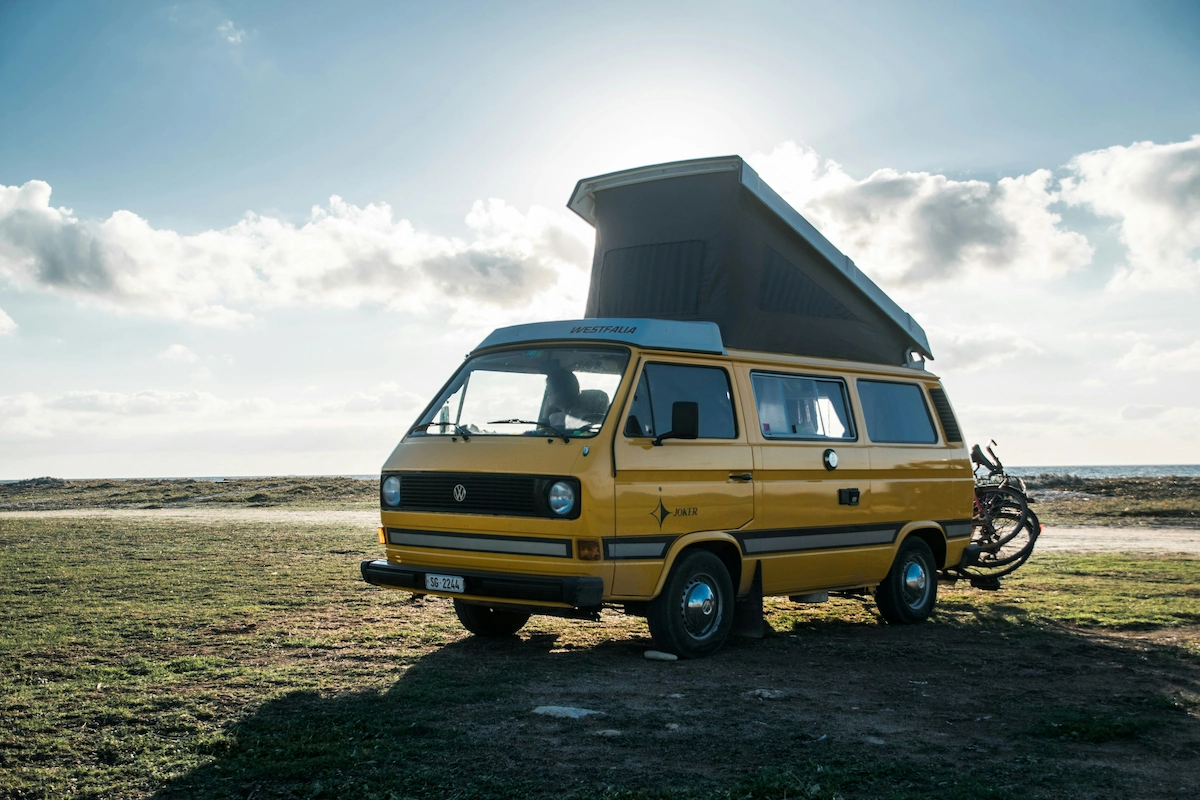

On the surface, van life promises freedom, simplicity, and a life lived on your own terms — but it also comes with limits and downsides most people don’t think about until they’re living it. If you’ve been considering the lifestyle, whether part-time or full-time, it’s important to understand what it really feels like day to day.
Is Van Life Worth It?
Van life can absolutely be worth it — if you value freedom, adventure, and a simpler way of living more than comfort and routine. It’s rewarding if you can adapt to small spaces, unpredictable days, and the occasional mechanical hiccup. In the end, its worth depends on what you seek most: stability or freedom on your own terms.
Honestly, van life isn’t a one-size-fits-all lifestyle. It’s deeply rewarding for some and overwhelming for others. It’s like a path that trades convenience for adventure, and stability for the kind of freedom most people only dream about.
In this guide, we’ll take an honest and in-depth look at both the pros and cons of van life based on our research on van lifers. So that you get a clear picture of the rewarding parts and the hard truths and decide if it’s truly the right path for you.
But if you’re short on time and just want a quick answer, the table below summarizes the key pros and cons of van life before we dive deeper into each one.
| Pros of Van Life | Cons of Van Life |
|---|---|
| The freedom to travel and change locations whenever you want, without being tied to one place. | Living in a small space means giving up many everyday comforts and modern conveniences traditional homes offer. |
| A simpler, more minimal lifestyle that helps you focus on what you actually need. | Daily life requires constant planning around water, power, parking, and supplies. |
| Living costs can be lower than rent or a mortgage, depending on how simply you choose to live. | Finding stable income on the road isn’t always easy, especially without remote work. |
| A deeper, everyday connection with nature instead of occasional weekend escapes. | Staying clean and maintaining hygiene is a bit tricky and requires planning. |
| Flexible routines that reduce 9-to-5 stress and allow you to design your own pace. | Privacy is limited, especially when sharing a van with a partner or family. And security concerns are a part of the lifestyle. |
| Life on the road pushes you to adapt, solve problems, and grow more self-reliant. | Breakdowns and maintenance issues can be stressful when your vehicle is also your home. |
| A strong sense of community built through shared experiences with other van lifers. | Internet access can be unreliable, making remote work or communication difficult. |
| The ability to shape your lifestyle around priorities instead of a fixed location. | Extreme heat, cold, or storms can directly affect comfort and safety. |
| Mobility gives you the option to leave places that no longer feel right. | Long stretches of travel can sometimes feel isolating or lonely. |
Pros of Van Life
The pros of van life go beyond freedom and adventure. It’s the chance to break free from rent, routine, rush-hour traffic and to live more intentionally, spend less, and see more. Whether you want to chase weekend getaways or planning a full-time living on the road, here are the key benefits that make van life an amazing lifestyle:
1. Freedom to Travel and Live Anywhere

The biggest reason for people to even think about choosing van life is simple — the genuine freedom it offers and the ability to travel anywhere, live anywhere, and wake up to new views whenever they want. Your van becomes more than transportation; it’s your home, your base, and your gateway to exploration.
You’re not tied to a lease, a neighborhood, or even a specific climate. When the seasons change, so can your scenery. If winter feels too long, you can chase the sun south. If the city feels too crowded, drive toward the quiet of the mountains.
With your home on wheels, you don’t have to worry about hotel bookings, flight schedules, or rigid itineraries. That kind of flexibility doesn’t just open doors to travel; it reshapes your entire relationship with time and place.
2. A Simpler, More Minimal Lifestyle
Van life naturally pushes you toward simplicity. When you have to fit your entire home inside a van, you start to realize how little you actually need to live well. Every item earns its place, every belonging has a purpose, and every inch of space matters.
But, simplicity isn’t about giving things up — it’s about gaining clarity. With fewer possessions, there’s less to clean, less to manage, and more mental space for the things that actually bring joy. Many experienced van lifers describe the process of downsizing as surprisingly liberating.
Minimalism on the road also teaches you intention. If you buy something new, something else has to go — a quiet rule that keeps your life balanced and clutter-free. Over time, this mindset spills into everything: how you spend your money, your time, and your energy.

3. Potentially Lower Living Costs and Financial Flexibility
Living in a van can reduce living expenses. But let’s be clear: it’s not automatically cheaper, it’s more flexible.
Your financial freedom on the road depends on how you design your lifestyle. A DIY van and slow travel style can be significantly more affordable than paying rent or a mortgage. But a luxury van, constant long-distance drives, or frequent campground stays make costs add up quickly.
Van life doesn’t offer guaranteed savings, it gives you financial control. You decide how much you spend, where you stay, and how you live. Want to camp off-grid for free this month? You can. Need to cut back and save for a big trip? That’s within your reach, too.
Still, van life comes with its own financial responsibilities: fuel, maintenance, insurance, and repairs are part of the deal. The key is understanding your actual monthly van life expenses and setting a realistic budget Once you find your rhythm, you’ll likely discover what most van lifers eventually do.
4. Closer Connection to Nature and Outdoor Living
The best part of living outdoors is how seamlessly it reconnects you with nature. You don’t just visit nature — you start living with it.
Van life naturally blurs the line between living and being outdoors. Your favorite adventures like hiking, biking, paddling, or simply exploring a new trail after breakfast — it’s all just part of your day when your home is on wheels. You’re no longer planning escapes into nature; you’re living inside it.
Over time, this rhythm reshapes you. Being constantly surrounded by fresh air and open landscapes also has a quiet, restorative effect on your mental health. It’s proven in many studies that time spent outdoors reduces stress and improves focus.
5. Freedom from Routine and 9-to-5 Stress

Van life gives you the rare chance to step off the treadmill of routine and design your own rhythm. No rush-hour traffic, no fixed office hours, no waiting for the weekend to finally feel free. Many digital nomads put it, “I didn’t quit working — I just stopped living around work.”
Remote work and freelancing now being the norm, many jobs can be done from anywhere — as long as you’ve got a good internet connection. You can write, design, edit videos, code, or manage projects from the back of your van.
You work on your own time, in places that inspire you. When your office overlooks a mountain ridge or a quiet beach at sunrise, even the everyday tasks start to feel lighter.
6. Van Life Boosts Creativity and Personal Growth
Living on the road teaches you more about yourself than most routines ever could. When you push yourself out of your comfort zone to live in a van, you’re constantly adapting — finding new routes, solving unexpected problems, and learning to live with less. Every challenge builds confidence, patience, and resilience, and you become more self-dependent.
Van life doesn’t just show you the world — it shapes how you see yourself in it. When your surroundings constantly change, so does your perspective. Living on the road continuously feeds you new views, sounds, and experiences that awaken your imagination. Ideas flow more freely — not forced by deadlines, but inspired by new experiences and changing views.
7. Strong Sense of Community and Shared Values
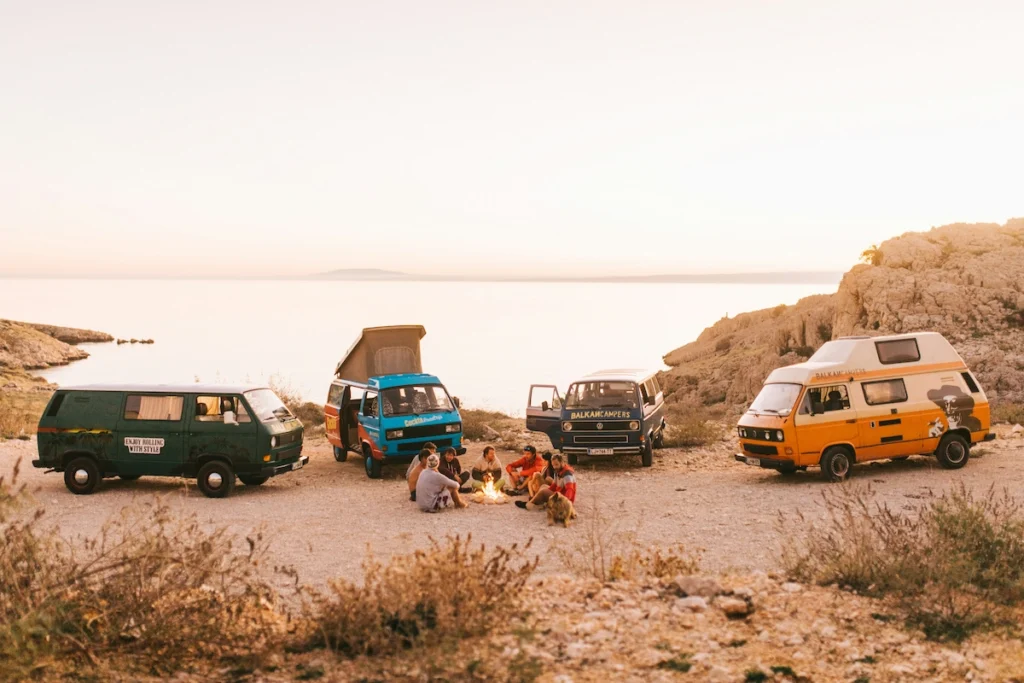
One of the best parts of van life is the community that comes with it. On the road, you naturally meet people from all walks of life — fellow travelers, campground neighbors, locals, and adventurers who share the same love for freedom and simplicity.
Experienced van lifers often say, “You might park beside a stranger one night and leave with a friend the next morning.” Even with a home on wheels, you’ll find a genuine sense of belonging — a reminder that freedom doesn’t mean being alone.
Van life gatherings and festivals make these connections even stronger. Events across the country bring together like-minded travelers to share tips, stories, and sometimes even travel together afterward.
Cons of Van Life
Van life has real downsides that don’t show up in photos and reels in social media. Limited space, daily logistics, and constant problem-solving can wear you down if you’re not prepared.
Here are the most common challenges van lifers face:
1. Limited Access to Comforts and Basic Amenities
As soon as you start living in a van, you realize how many everyday comforts you once took for granted. There’s no dishwasher, washing machine, oven, or full-size refrigerator waiting inside your van because of the lack of space and limited power.
Many vans don’t even have built-in toilets or showers. You might wash clothes by hand or plan your days and routes around laundromats. Even cooking becomes an exercise in efficiency — you cook with fewer dishes and use water carefully. You also have to keep a close eye on your battery levels, water supply, and fuel use, because every drop and every watt counts.
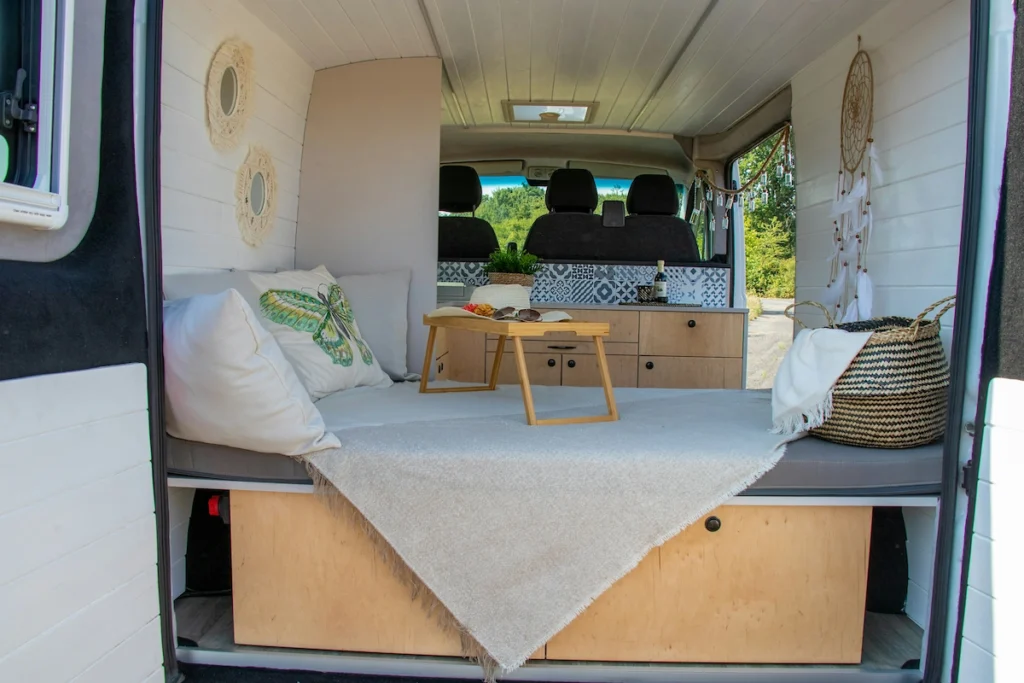
Although you can customize your van build to fit your needs — add solar panels, install a compact shower, or use a portable fridge — there are still limits. Some comforts of modern living simply don’t fit inside a van. A van, no matter how well-built, can only hold so much.
2. Finding Steady Income on the Road Can Be Challenging
Finding a steady income on the road might even be one of the biggest hurdles in full-time van life. Even though remote work is increasingly common these days, it’s not always easy to land a position that offers the freedom and flexibility to travel. Reliable Wi-Fi, quiet workspaces, and balancing work with adventure can be challenging.
Many Van lifers choose content creation for income. By blogging, vlogging, or sharing on social media — they turn their journeys into opportunities for sponsorships, affiliate marketing, and ad revenue. But even that is not an easy task, building a successful online presence requires consistency, creativity, and the ability to produce content while on the move.
Beyond content creation, freelancing, online jobs, and seasonal work offer additional income streams. Whether you’re a writer, designer, or digital marketer, you can take advantage of remote work opportunities and work from virtually anywhere. Some van lifers camp in one spot for a season to work and earn enough money to fund their travels for the rest of the year.
If you plan to work remotely or freelance while living full-time on the road — it’s important to have a clear strategy for how you’ll find and sustain your income. Experienced van lifers suggest establishing remote work or side hustles before hitting the road to ensure financial stability.
3. Constant Planning and Daily Logistics Can Get Exhausting
Constant planning for every single task each day is exhausting and the least favorite part of van life for many people.
Everyday tasks require more thought than they would in a traditional home. You have to look for legal campsites, find places to shower, refill water tanks, and locate dump stations to empty gray water and trash, plan your routes around grocery stores or laundromats etc.
While you may not need to do all these tasks every day depending on your van setup and storage, you still need to plan your days and routes around these chores — one day for laundromats, another for groceries, and another to refill water tanks or visit a dumping station. Even spread out, the tasks quickly add up.
Before traveling to new destinations or tourist attractions, there’s often more research involved than expected. You’ll need to check for permits, entry fees, and parking restrictions — spending a significant amount of time on your screen using campsite finder apps and navigation tools.
And even with all that preparation — things don’t always go as planned. Campsites may be full already, roads closed, or weather conditions worse than forecasted. That’s why every experienced van lifer tends to keep backup plans ready and stay flexible when plans fall apart.
4. Limited Space and Everyday Hygiene Challenges
No matter how big your van is or how well you build it — it will never match the comfort or convenience of a traditional home. You have to fit your entire life into a few square feet — clothes, cooking supplies, outdoor gears, maybe even work equipment, and important belongings. Even the most cleverly designed van conversion still requires trade-offs in space and storage.
Some van builds include compact showers or cassette toilets to make hygiene more manageable. These can help keep your routine comfortable — but even then, limited water supply is an issue that you can’t simply avoid. You have to be mindful of your water usage while keeping yourself clean.
Most van lifers rely on public gyms, campgrounds, or community centers for showers and restrooms. Some keep a small portable toilet that can be emptied easily at dump stations. It’s a system that works — but only if you plan ahead and stay flexible when facilities aren’t nearby.
Surprisingly, maintaining hygiene isn’t as hard as it sounds for most van lifers. They quickly adapt and learn to embrace the simplicity of the lifestyle. It’s much easier to accept a little dust, a missed shower, or a scruffy beard than to stress about staying squeaky clean all the time.
5. Privacy and Security Concerns
Privacy can often feel nonexistent in van life, especially when sharing a small space with a partner, friend, or family member. Also living on the road means being constantly aware of your surroundings and the potential security risks — whether you’re parked at a rest stop, campground, or city street.
Personal space becomes a luxury when you are sharing your tiny van with someone. There’s nowhere to retreat when you need a moment to yourself. Even small disagreements can feel bigger in tight quarters, and simple routines — like changing clothes or taking a break — require coordination and respect for each other’s space.
To create a sense of privacy, van lifers use curtains, partitions, or outdoor setups to carve out small moments of solitude. Families or couples planning long-term travel often opt for larger vans or bus conversions, which offer more room to spread out and designated spaces for everyone.

Security is another daily concern. When your home is also your vehicle, you have to be mindful of your valuable belongings and ensure your own safety. Theft and robbery can happen anywhere — from remote campsites to parking lots — so vigilance is key.
Experienced van lifers invest in high-quality locks, motion-sensor lights, dash cams, and GPS trackers to protect their vehicles. Also following practical safety habits like avoiding isolated areas at night, keeping valuables hidden, and always trusting their instincts when choosing a parking spot.
With experience and awareness, you naturally develop routines that keep you safe and comfortable on the road.
6. Unexpected Repairs and Maintenance Stress
Routine van maintenance and unexpected breakdowns are simply part of the lifestyle. No matter how well-built or well-maintained your van is, things can still go wrong — and even at the worst possible time.
Since your van is both your home and vehicle, regular checkups are essential to keep everything running smoothly. From checking oil levels and tire pressure to maintaining the electrical and plumbing systems, upkeep never really stops. Yet, even with consistent care, mechanical failures can derail your plans, forcing you to cancel trips or stay put for days. Repairs can be costly, time-consuming, and sometimes difficult to find in remote areas.
Experienced van lifers know this reality well. So, they keep an emergency repair fund set aside for unexpected expenses and have backup plans for where to stay — sometimes crashing with friends or family, or booking a hotel if they’re far from home while their van is in the shop.
7. Internet and Connectivity Issues
Staying connected on the road isn’t always easy. As you move between cities, forests, and remote landscapes — internet coverage can vary drastically, sometimes leaving you completely offline for hours or even days.
For remote workers and digital nomads, unreliable internet can seriously affect productivity. Uploading files, attending meetings, or maintaining an online business becomes difficult when signals drop or speeds crawl to a halt. Even simple tasks like streaming music or using navigation apps can get disrupted in low-signal areas.
Most experienced van lifers find creative ways to stay connected on the road — using Starlink satellite internet, mobile hotspots, campsite Wi-Fi, and external signal boosters to improve coverage in remote areas. Some even carry SIM cards from multiple carriers to switch between networks depending on signal strength.
In extremely remote regions, Starlink RV plans or cellular routers are popular for maintaining reliable high-speed internet. The key is to research coverage maps, download offline resources, and plan connectivity ahead of time before heading off-grid.
8. Dealing with Weather and Environmental Challenges

Weather plays a big role in van life — it can shape your travel plans, daily comfort, and even your safety. From scorching summers to freezing winters, nature often decides how your days will unfold on the road.
Extreme temperatures can make van life uncomfortable and even risky. Hot summers can turn your van into an oven without proper ventilation, while rainy seasons can bring leaks, muddy campsites, and humidity that’s tough to manage. In winter, frozen pipes, icy roads, and limited sunlight can create major challenges. And in rare cases, natural disasters like storms or wildfires may force you to move unexpectedly.
Full-time van lifers design their builds with seasonal challenges in mind. For hot summers, they ensure proper ventilation, roof fans, and air conditioning to stay cool during long drives or heat waves. During rainy seasons, waterproof sealing, roof protection, and moisture control help keep everything dry and prevent leaks. And for harsh winters, they equip good insulation, internal water systems, and reliable heating setups. They also keep warm blankets, thermal curtains, and layered clothing to stay comfortable during freezing nights.
The beauty of van life, though, is mobility. When the weather turns harsh, you can chase better climates — heading north in summer or south in winter.
9. Moments of Loneliness and Disconnection
Van life isn’t always nonstop adventures — some days, it can feel surprisingly quiet and isolating.
You might meet new friends on the road, join other travelers for short trips, or connect with people at campsites — but for many solo van lifers, loneliness still creeps in. Long stretches of driving, nights parked alone, and distance from family can make you miss home more than expected.
The upside is that van life gives you the freedom to turn the wheel whenever you want. You can take breaks, visit friends, reconnect with family, and recharge — all without giving up the lifestyle.
Final Thoughts — Is Van Life Truly Worth It for You?
Van life is liberating, inspiring, and freeing — but it also demands flexibility, patience, and a willingness to embrace discomfort. After looking at all these pros and cons, the final decision comes down to what you value most: freedom or stability.
If you enjoy minimalism, adaptability, outdoor living, and the idea of designing your own pace of life, this lifestyle can feel incredibly fulfilling. You gain mobility, financial control, and experiences you simply can’t access in a traditional lifestyle.
But, if you prefer routine, long-term comfort, personal space, or guaranteed convenience, the unpredictability and tight quarters of van life may feel overwhelming. There’s nothing wrong with wanting stability — it just means the lifestyle does not align with your priorities right now.
To help you decide, ask yourself a few honest questions:
- Can I handle unpredictable days and constant problem-solving?
- Do I value freedom and mobility more than comfort and consistency?
- Am I comfortable living with fewer possessions and limited space?
- Can I maintain income on the road or build reliable remote work?
- Do I enjoy spending time outdoors and being in new environments often?
- Am I prepared for mechanical issues, weather changes, and resource management?
- Do I see challenges as obstacles or as part of the life?
If you answered “yes” to most of these, van life might genuinely be worth it for you. Consider starting gradually — explore part-time trips, weekend adventures, or seasonal travel first. Many experienced van lifers began this way, testing the lifestyle before committing full-time.
If your answer is “no” to several aspects, it’s a sign that full-time van life is not something for you. You could still enjoy travel and flexibility through road trips, RV vacations, or occasional van adventures — without giving up the comforts and stability of your current home.
What to Read Next If You’re Planning or Considering Van Life
If you’re still deciding whether this lifestyle is right for you, these guides can help you make more informed decisions:
How much does it cost to start van life? → A realistic breakdown of upfront expenses, including buying a van, conversion options, and hidden costs many beginners overlook.
How much does van life cost per month?→ A complete overview and breakdown of ongoing expenses. You can also use our van life monthly cost calculator here, to get a more personalized estimate.
Best van types for van life→ A simple, practical guide to choosing the right van based on your budget, travel style, and long-term goals
FAQs About the Pros and Cons of Van Life
What are the downsides of van life?
Mechanical issues, limited space, staying clean, extreme weather, finding safe parking, and the unpredictability of travel are the biggest downsides.
Why do people quit van life?
Most people quit because of loneliness, burnout, constant repairs, financial unpredictability, or missing routine and stability.
What are the pros of living in a van?
Freedom, travel flexibility, lower living costs (sometimes), minimalism, and waking up in nature wherever you choose.
What are the disadvantages of owning a van?
High repair costs, depreciation, limited space, and the need for regular maintenance.
Is living in a van difficult?
Yes at times — especially during extreme weather, breakdowns, or when finding safe overnight parking. The lifestyle demands adaptability.
Are van lifers considered homeless?
No. Van life is a voluntary lifestyle choice. Homelessness is about lacking stable housing involuntarily, not choosing a mobile lifestyle.
Where do you go to the toilet if you live in a van?
Most van lifers use portable toilets, public restrooms, campgrounds, or gym facilities. Some build compact bathrooms with cassette toilets.
How do you shower while living in a van?
Gym memberships, public showers, campgrounds, solar showers, or outdoor portable shower setups are the most common options.
Do you need ventilation when sleeping in a van?
Yes. Ventilation prevents condensation, improves airflow, and keeps temperatures comfortable. A roof fan or cracked windows makes a huge difference.
What is the best toilet for van life?
Portable cassette toilets and composting toilets (like Nature’s Head or Separett) are the most popular because they’re compact and low-odor.
How long does a van last?
A well-maintained van can last 200,000–300,000+ miles, depending on the model and maintenance history.
Why do people choose van life?
For freedom, travel flexibility, lower costs, adventure, and the ability to design a lifestyle outside the traditional 9–5 structure.
What country is best for van life?
Countries with strong camping infrastructure and scenic routes — like the U.S., Canada, Australia, and parts of Europe — are the most van-life-friendly.