
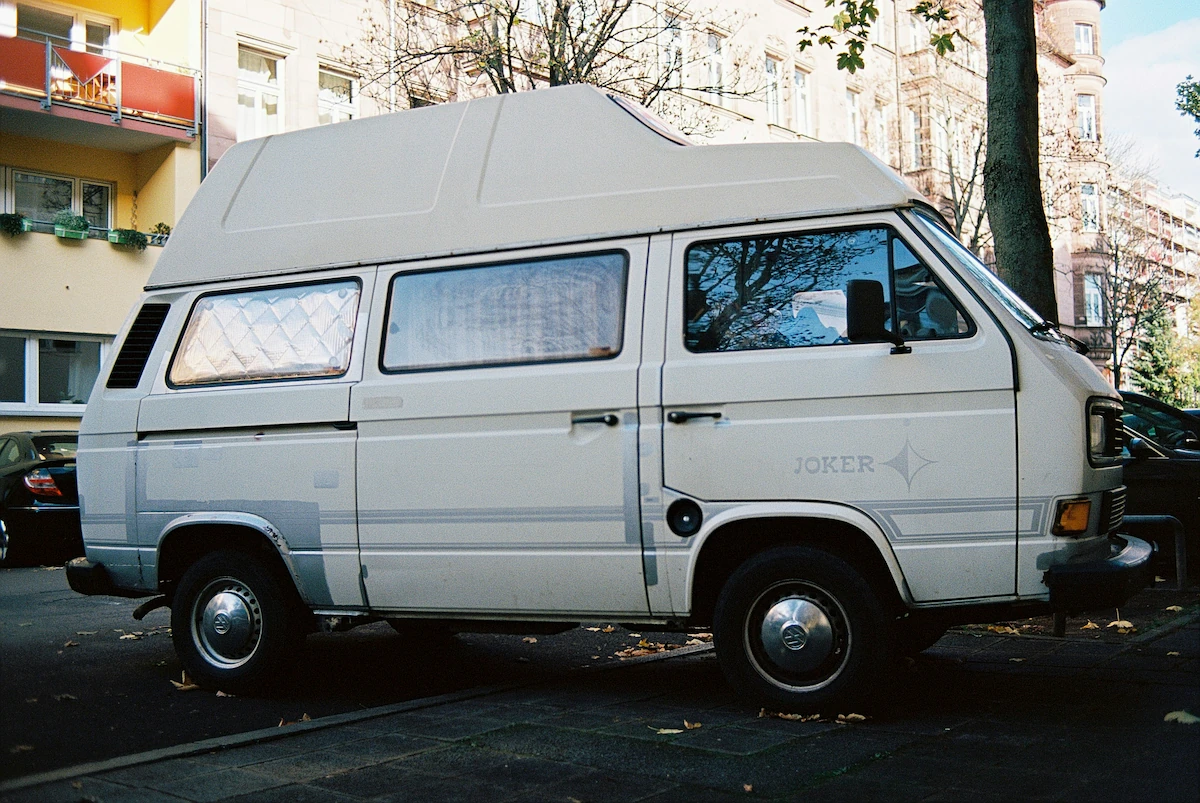

A van starts losing value as soon as it leaves the lot. The biggest drop happens in the first year, then slows down over time. In most cases, a van loses around 20% of its value in the first year and another 5–10% in the years after. So if you’re on a budget or simply want to spend less—buying a used van for van life makes sense. A three-year-old van with roughly 80,000–150,000 miles can save you around 30% compared to buying new.
The problem is that finding a good used van isn’t easy. The market is saturated, listings are inconsistent, and not every “great deal” is actually a solid van. Mechanical issues, rust, electrical shortcuts, or poor maintenance don’t always show up right away, but they can quickly turn a cheap van into an expensive mistake. And since this van is also going to be your home, small oversights matter a lot more than they would with a normal car.
To help you make a smarter buying decision, we’ve put together this guide. It breaks down how to narrow down the right type of van, where to look for good used deals, and how to inspect a van properly before you commit. The goal is simple: help you make a calm, informed decision—so no one sells you a potato in the name of a van.
Decide What Type of Van You Actually Need (Before You Start Shopping)
Before you start scrolling listings, get a clear view of how you’ll actually use the van. If you’re a part-time van lifer who mainly needs a place to sleep at night and doesn’t care about standing up inside, a minivan or a low-roof cargo van might suffice. They’re cheaper, easier to find used, and cost less to maintain. But if you plan to live in the van full-time, it’s highly recommended to go for a high-roof cargo van for long-term comfort. Models like the Mercedes Sprinter, Ford Transit High Roof, or Ram ProMaster High Roof give you space to move, cook, and live without constantly crouching.
One thing you might overthink about is the drivetrain. Front-wheel drive or rear-wheel drive works fine for the majority of travel, including long road trips and regular campground use. AWD or 4×4 only starts to matter if you plan to spend a lot of time in snow, mud, or rough forest roads. Otherwise, it adds cost, complexity, and more things that can break.
Gas vs diesel is another common sticking point. Diesel engines can last longer and offer better fuel efficiency, especially on highways, but they’re usually more expensive to buy and repair. Gas vans are cheaper upfront, easier to service almost anywhere, and make more sense for most first-time van buyers. Unless you have a clear reason to go for diesel, gas is usually the simpler and safer choice.
Where to Look for Good Deals on Used Vans

There are plenty of places to look for used vans. If you want to get the best value out of your money, we highly recommend you to research in as many places as possible. Common places to find used vans:
- Local dealerships: Easier buying process and sometimes short warranties, but prices are usually higher and selection can be limited.
- Online marketplaces : There are a wide range of private sellers and small dealers on Facebook Marketplace, Craigslist, Ebay and similar online marketplaces. This is where many good deals appear, but listings can be inconsistent and require careful screening.
- Vehicle listing sites : Official sites of AutoTrader, CarGurus, Autolist are very useful for comparing prices across regions and spotting overpriced listings, though the best deals don’t always show up here. You can also find used campervan listings on Vanlife Trader, Vancamper, Van viewer and RV Trader.
- Rental companies : Companies like U-Haul or Enterprise regularly sell older cargo vans. These vans often have high mileage, but maintenance is usually documented.
- Commercial fleet sales : Delivery companies and service fleets sell their vans after a few years of use. They’re often mechanically well maintained, and if you’re lucky, you can find a very good deal.
- Local listings and word of mouth : Community boards, local classifieds, or direct referrals sometimes surface vans that never get publicly listed, often at fair prices.
Checking more than one source gives you better price context and reduces the chance of rushing into a bad deal just because it looked convenient.
Must-Do Inspections Before You Buy
Once you find a used van that looks like a good deal, that’s where the real work starts. This is the point where people either save themselves a lot of money—or make an expensive mistake by rushing. A clean listing and a friendly seller don’t tell you much about the van’s actual condition.
So before you commit, it’s important to carefully inspect the van and verify its paperwork. Taking the time to check things properly helps you understand what you’re actually buying and whether the price actually makes sense. To make the process easier for you, we’ve put together a practical inspection checklist that you can follow step by step.
1. Do the Online Research Before Inspecting in Person
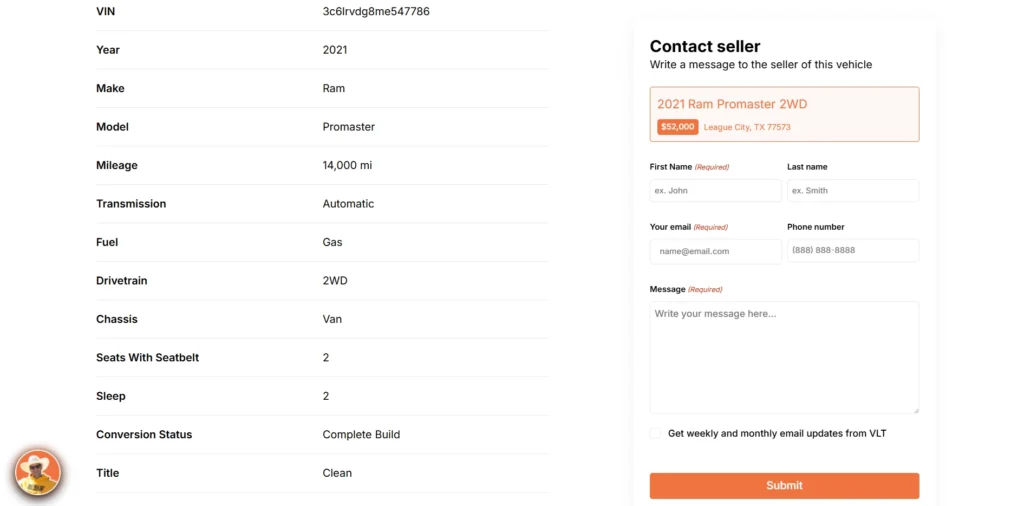
Before you travel all the way to see a van, do as much checking as you can online. This saves time and helps filter out bad listings early. You can directly message the seller and ask them for basic details like the VIN, current mileage, service history, and registration status. With the VIN, you can usually check accident records, title status, recalls, and ownership history through official vehicle history tools like CARFAX, AutoCheck or NHTSA.
Checking service records is a must. A higher-mileage van with consistent maintenance history is a safer bet than a low-mileage van with no paperwork. Missing or vague service history isn’t always a deal breaker, but it does increase risk and should be reflected in the price.
If the seller avoids sharing the VIN, can’t explain title status, won’t provide registration details, or gives inconsistent answers about mileage or ownership, it’s a clear red flag. A seller who’s transparent before the inspection is usually easier to deal with later. If something feels off at this stage, it rarely gets better in person.
2. Bring an Experienced Mechanic (or Get a Pre-Purchase Inspection)
If there’s one step you shouldn’t skip, it’s this one. Bring an independent mechanic to inspect the van, even better if they are a friend or someone you trust. Since they have no connection to the seller and no incentive to “make the deal work” — they’re likely to be honest and point out things that aren’t obvious to a first-time buyer.
A mechanic can spot early signs of engine trouble, transmission issues, suspension wear, or rust damage that most buyers miss during a casual inspection. They’ll also have a better sense of what’s normal wear versus a real problem. If the seller refuses a pre-purchase inspection or tries to rush you through it, walk away and don’t look back.
3. Check the Exterior and Interior
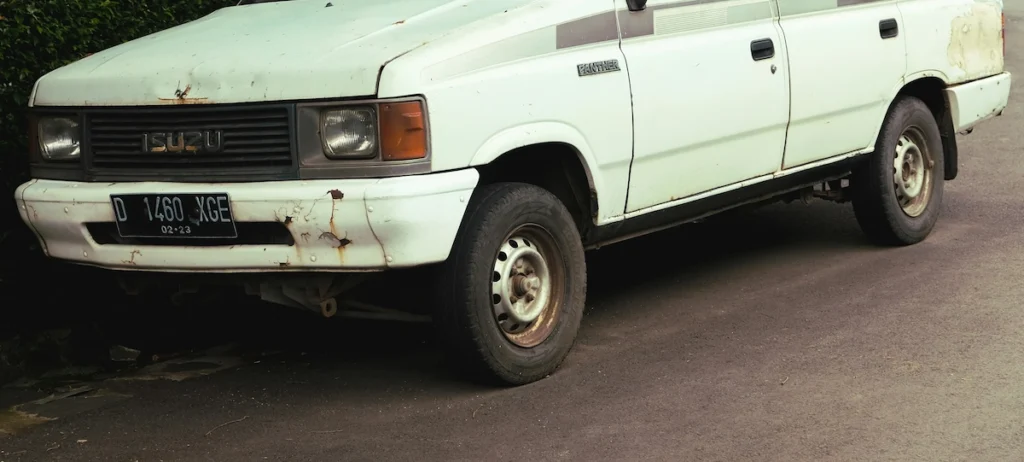
Start with a slow walk around the exterior. Look for rust around the wheel wells, under doors, roof seams, and along the undercarriage. Surface rust is common but structural rust is not. Check for uneven panel gaps, mismatched paint, or overspray, which can point to past accidents. Inspect the roof for leaks or poorly sealed holes from old racks or solar installs. Make sure all doors open and close smoothly, including sliding and rear doors, and check headlights, taillights, mirrors, and windows for cracks or moisture buildup.
Now inside the van, check the odometer and make sure the mileage matches what the seller told you in messages or listings. Pay attention to any signs of water damage. Stains, soft flooring, mold smells, or warped wall panels means past leaks. Look behind the trim and in corners if possible. Check the condition of seats, seat mounts, and seatbelts. If there’s an existing build, inspect how everything is mounted — loose cabinets, exposed wiring, or uneven flooring are warning signs. Also check for drilled holes in the floor or walls, and make sure they’re properly sealed to prevent future rust and leaks.
4. Check the Engine
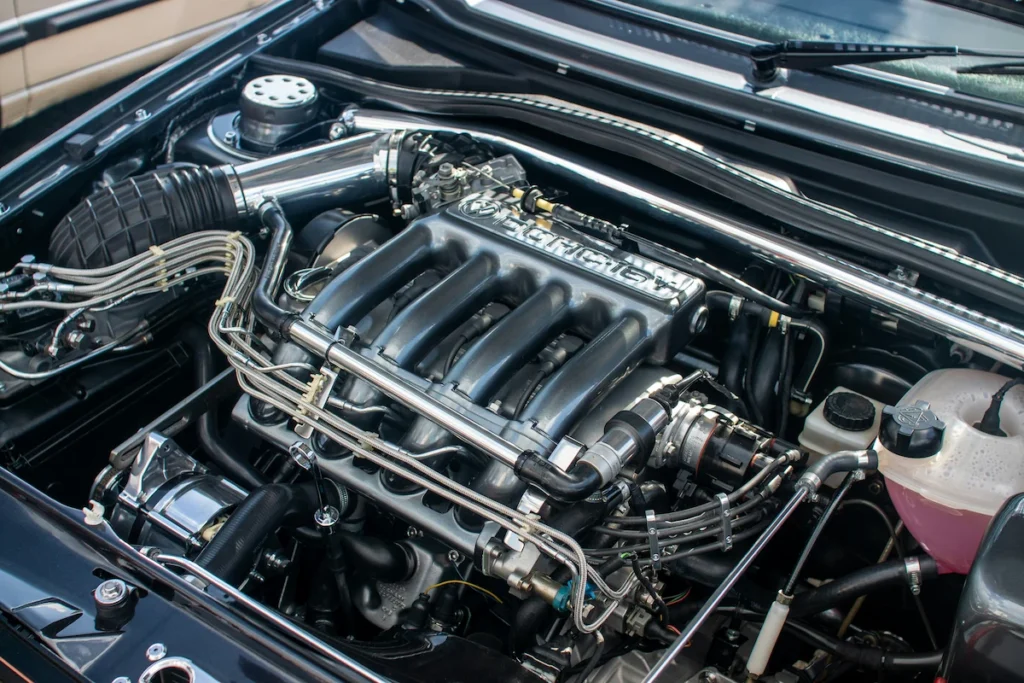
Call the seller before you arrive and ask them not to start the van and keep the engine cold. Inspecting the engine cold is very important. Many problems like rough idling, hard starts, unusual knocking, excessive exhaust smoke — are easier to spot when the engine hasn’t been warmed up. If the van is already running when you show up, take note of that and don’t hold back to question about it.
When you start it cold, listen carefully. The engine should turn over smoothly and settle into a steady idle without loud rattling or shaking. Then open the hood and look for obvious issues like fluid leaks, cracked hoses, loose belts, or heavy corrosion. You’re not trying to diagnose everything here, you’re just checking whether anything feels off enough to dig deeper or walk away.
5. Check Oil, Coolant, and Transmission Fluid
Fluids give you quick clues about how the van has been treated. Clean oil means regular maintenance — while thick, black sludge or visible metal flakes can point to neglect or internal wear. Coolant should look clean and consistent in color — rusty, milky, or low coolant can signal overheating issues or poor upkeep.
Pay attention to smells and residue. Burnt smells from oil or transmission fluid often mean excessive heat or internal damage. Look underneath the van and around the engine bay for active leaks or heavy buildup. Transmission problems are especially serious for van life since sudden failures can leave you stranded and repairs are expensive.
6. Check the Electrical System
Start with the basics. Check the main battery’s age and condition, and make sure the van starts consistently. A weak battery can mask deeper electrical issues, so don’t ignore slow cranking or warning lights on the dash. If possible, confirm the alternator is charging properly. Dim lights, flickering electronics, or dashboard warnings can point to charging problems.
Next, look closely at the factory wiring. You want clean, uncut, and well-routed wiring, because it will make things easier for you to build the van out later. Poorly spliced wires, random add-ons, or exposed connections are red flags and can complicate future electrical work. A clean stock electrical system gives you far more flexibility and fewer headaches during the conversion.
7. Check Suspension and Undercarriage
Look at how the van sits. Sagging on one side or an uneven ride height can point to tired springs or suspension components that are already near the end of their life. You can also push down on each corner of the van, if the van bounces once and returns back to normal then the suspension and shock absorbers should be fine.
Take a good look underneath the van as well. Surface rust is common on older vans, but deep rust on the frame, suspension mounts, or crossmembers is a serious red flag. This matters a lot for van life because a conversion adds significant weight. Worn suspension that feels “fine” when empty can quickly become a problem once the van is built out and loaded for travel.
8. Check Tires and Brakes
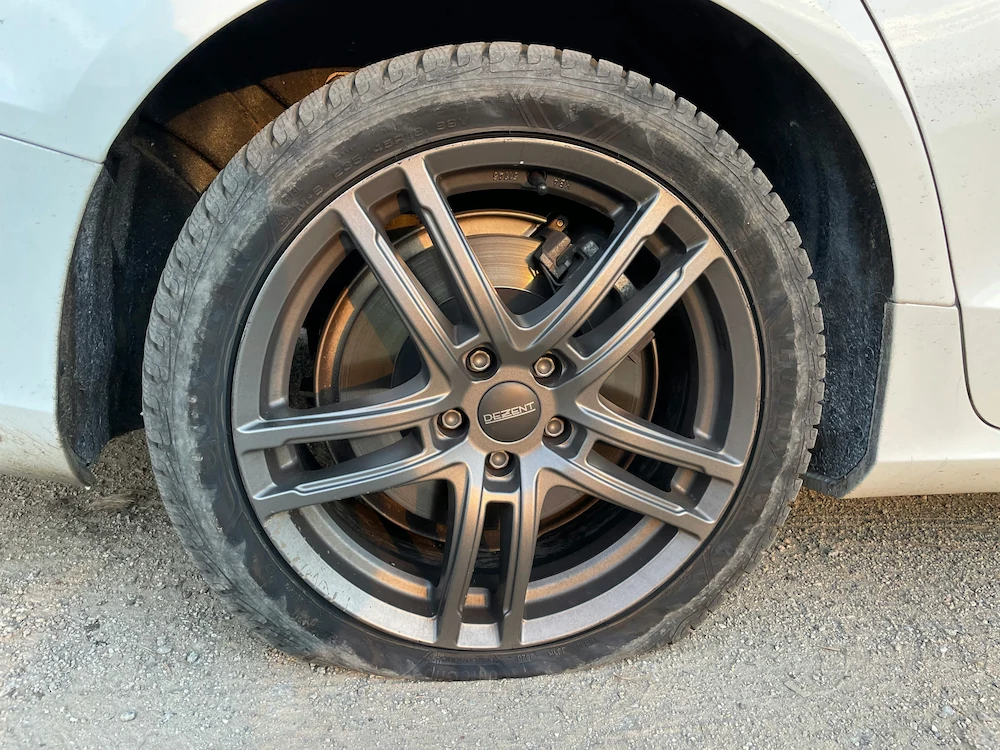
Tires can be expensive to replace. So look out for uneven wear, low tread, or cracks in the sidewalls. Check that all tires are the same size and type. Bald or mismatched tires aren’t a deal-breaker, but replacing a full set isn’t cheap and it’s an easy cost to overlook when a van looks “ready to go.”
For brakes, just do a basic visual check here. Look at the rotors for heavy rust or deep grooves, and listen for grinding or scraping sounds when the van moves slowly. Obvious wear at this stage is a sign that you may need brake work sooner rather than later. You’ll learn more about how the brakes actually perform during the test drive.
9. Take the Van for a Proper Test Drive
If the van has passed your initial checks and nothing major has raised concern so far, now you can take it out for a proper test drive and it’s a must — not optional. A test drive can reveal issues which are harder to catch with normal inspections.
Try to drive the van in mixed conditions if possible, like slow city streets, uneven roads, and open highways at high speed. A van can feel fine at low speeds but start to show problems once it’s driven longer or under more load.
Pay close attention to braking behaviors. The van should slow down smoothly without pulling to one side, vibrating, or making loud noises. Test the brakes at different speeds, including a firm stop if it’s safe to do so. Soft pedals, shuddering, or delayed response means worn components or deeper brake issues.
Notice how the steering feels. The wheel should return to center easily and the van should track straight without constant correction. Excessive play, wandering, or clunking sounds when turning indicate suspension or steering wear.
Finally, listen carefully for any strange noises under load. Even if you’re not familiar with engine sounds, the mechanic you brought with you will surely pick up on issues like rattling, knocking, whining, or grinding during acceleration, hill climbs, or tight turns. If something feels off during the drive, it usually is.
Making the Final Decision: When to Buy, Negotiate, or Walk Away
At this point, you should have a clear picture of what you’re dealing with. The key is separating deal-breakers from fixable issues. Serious frame rust, major transmission problems, unclear ownership, or missing legal paperwork aren’t worth the risk. Cosmetic damage, worn tires, tired brakes, or minor suspension work are manageable if the price reflects it.
Use what you found during the inspection as leverage. Every confirmed issue has a dollar value attached to it. If the van needs tires, brakes, or suspension work soon, that should be reflected in the price. Try to be calm and negotiate factually based on real findings rather than just pointing out flaws and trying to “win” the deal.
And sometimes, the smartest move is walking away. If the seller avoids questions, pressures you to decide quickly, or downplays clear problems, that’s your signal — just politely take your leave. There will always be another van.
FAQs About Used Vans For Van Life
What mileage is too high for a used van for van life?
There’s no single cutoff, but mileage starts to matter less than condition once you understand how the van was maintained. Many vans are still perfectly usable well past 150,000 miles if they’ve been serviced regularly. A lower-mileage van with poor maintenance can be a worse choice than a higher-mileage one with solid records.
Can a used van be reliable enough for full-time van life?
Yes, many people live full-time in used vans for years. Reliability depends far more on maintenance history, platform reputation, and how the van was used before—not whether it’s new or used. A well-inspected used van can be very dependable.
Is it better to buy a used cargo van or a used camper van?
It depends on the quality of the existing conversion. A clean, well-built camper can save time and money, but a poorly done build costs more to fix or remove. If you’re unsure about the workmanship, an empty cargo van is the safer starting point.
How old is too old for a van conversion?
Age alone isn’t a deal-breaker. What matters is structural condition, rust, and mechanical health. A 10–15 year old van in good shape is still a solid platform, while a newer van with hidden issues causes more problems long-term.
What maintenance records should a used van have before conversion?
At minimum, look for oil changes, brake service, and major repairs being documented. Records showing regular servicing are more valuable than a low mileage number. Missing records isn’t automatically a deal breaker, but they increase risk.
Are high-mileage vans a bad choice for van life?
No but it depends. Like highway-driven vans often age better than city-driven ones, even at higher mileage. So, it depends on the real mechanical condition of the van as stated many times already.
Should I avoid used vans that were part of a commercial fleet?
Not necessarily. Fleet vans might have higher mileage, but they’re serviced on schedule. The tradeoff is more wear from daily use, so inspection matters more than the label “fleet vehicle”.
Is rust a deal-breaker when buying a used van for van life?
Surface rust is common and usually manageable. Structural rust on the hand especially on the frame, undercarriage, or mounting points—is a serious red flag. Rust repairs can get expensive fast and aren’t worth it.
Do used vans cost more to maintain once converted?
Sometimes they can, especially as added weight puts more stress on suspension, brakes, and drivetrains. That’s why starting with a mechanically solid van matters. Preventive maintenance becomes more important after conversion, not less.
Can I finance a used van for van life?
Yes, but options may be more limited than with new vans. Interest rates are often higher, and some lenders have age or mileage limits. Paying cash gives more flexibility, but financing is still possible with the right van.
Is it risky to buy a used van without a professional inspection?
Yes. Even if the van “drives fine,” problems can still be lurking underneath. So, a short inspection fee is small compared to the repair cost of hidden engine, transmission, or structural issues.
How much should I budget for repairs after buying a used van?
It’s smart to set aside a repair buffer, even for a well-maintained van. Small fixes come up in the first few months, and addressing them early prevents bigger issues later. Planning for this upfront reduces stress later.
Are diesel vans better than gas vans for long-term van life?
Diesel engines can last longer and do better on long highway drives, but they’re more expensive to repair and service. Gas vans are simpler, cheaper to maintain, and easier to service almost anywhere. For first-time buyers, gas is the easier option.
Does converting a used van affect its resale value?
It depends on the build. Simple, functional conversions appeal to more buyers, while highly personalized layouts limit resale. Clean workmanship and documentation matter more than fancy features.