


Van life is one of the fastest-growing alternative living trends in 2026. On one hand, the lifestyle is heavily over glorified on Instagram or TikTok reels. On the other hand, it’s misunderstood as unsafe or unrealistic by many people.
So, if you are wondering what this lifestyle truly is like, this guide is for you. Here we will explain exactly what van life truly means, how it works, its pros and cons, costs, legality, and whether it’s actually realistic.
By the end of this post, you’ll have a clear, practical understanding of what day to day van living really looks like.
What is Van Life?
Van life is a nomadic lifestyle where people live and travel in a converted van that functions as a small, mobile home. It’s built around freedom, minimalism, and flexibility, offering an alternative to traditional housing and routines.
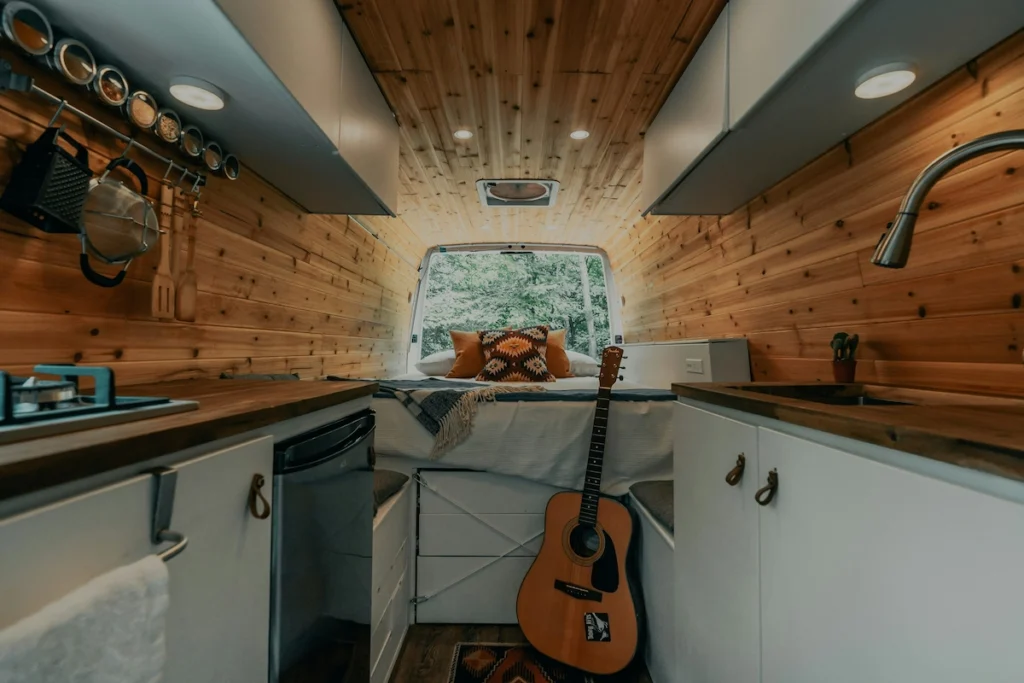
Van life looks very different from person to person depending on their setup and how they live. People who prefer a simple and minimal lifestyle, equip their vans with a simple layout — outfitted with little more than a bed and storage. On the other hand, van lifers seeking comfort and convenience, equip their vans with all the basic amenities needed — like tiny apartments on wheels, complete with kitchens, solar panels, and even bathrooms.
In essence, van life isn’t just about living in a vehicle; it’s about designing a lifestyle with more experiences and flexibilities than limitations.
What unites all van lifers is the desire to create a life less tied to one location and embracing a life on the road full of experiences, even if it’s full of uncertainty.
Origin of Van Life
The idea of van life isn’t something new. Van life has its roots in the countercultural movements of the 1960s and 70s, when hippies, surfers, and free-spirited travelers used vans as symbols of independence and rebellion against convention. Today, the demographic has only broadened — from digital nomads and retirees to adventure seeking young families.

Van Lifer Meaning: Who They Are & How They Live
A van lifer is anyone who chooses to convert a van to their primary or part-time living space.
While each person’s lifestyle and setup looks different, they mostly fall into a few categories:
- Full-timers → Individuals, couples or families who live in their vans year-round
- Part-timers & weekenders → Those who live in a permanent home and use their van only for trips, vacations, or seasonal travel.
- Digital nomads → Remote workers who combine their remote office with a mobile home.
- Retirees & empty nesters → People who downsize and use van life to explore at their own pace.
Each group values something different — full-timers emphasize minimalism and freedom, while part-timers chase weekend escapes.
Why Has Van Life Become So Popular?
According to data from the RV Industry Association (RVIA) and NomadList, people’s interest in mobile living has grown steadily since 2020 — especially as remote work and rising rent costs push people toward more flexible lifestyles.
Over the years, van life has grown from a niche, alternative lifestyle into something much more common — fueled by both necessity and inspiration. Here are the main reasons that drive people to this lifestyle:
Freedom & Flexibility
The biggest appeal of van life is the freedom it provides. Unlike traditional housing, a van can take you just about anywhere — a beach one week and the mountains the next.
For some people, it’s about waking up to new views whenever they choose. For others, it’s about breaking free from rigid routines and creating a life that feels more self-directed.
When you live in a van, you can make your own routine, calendar for travel and adventure. Or, simply change your location when your mood or circumstances change.

Minimalism
Van life is a nice fit for people who like minimalism and prefer to live with less. Downsizing into a vehicle means cutting back on clutter and focusing on what truly matters. When your space is small, every item has to serve a purpose, which naturally encourages you to live more intentionally. Less things to live with means less things to manage. Van lifers often say this shift brings unexpected clarity: less managing, more living.
Financial Appeal
Van life isn’t always cheap but it does offer more control and freedom over expenses. Even though the initial van conversion and overall start-up costs can be high, ongoing monthly expenses are often lower than mortgages or rent. Rising housing prices and utility bills have made van life a strategic lifestyle choice for some people.
You can’t escape your monthly bills in traditional living, but when you live in a van you can decide yourself how much you want to spend.
Social Media Influence
The #vanlifestyle hashtag on Instagram surpassed 1.7 million posts in 2026, while YouTube and TikTok creators have made van conversions and travel vlogs mainstream. Many new van lifers say they first discovered practical conversion ideas, safety tips, or route inspiration from creators like Eamon & Bec, Kombi Life, and Janelle Eliana.
According to the 2025 Go RVing RV Owner Demographic Profile, over 16.9 million Americans plan to purchase an RV within the next five years — a clear sign of how rapidly the van lifestyle is expanding. The study also shows that 73% of these potential buyers are under 55, and one-third live in cities, marking a shift toward younger, more diverse, and tech-savvy travelers.
This new generation isn’t chasing luxury; they’re chasing flexibility, connection to nature, and experience.
What is Daily Van Life Like?
Realistically, daily van life is a careful balance of adventure and logistics. Every day involves decision-making, like – finding safe parking, managing limited space, conserving power and water, and staying connected for work.
A typical day in van life mostly includes:
- Parking & sleeping arrangements → finding campsites, quiet parking spots, rest areas (finding a legal spot to park is a major daily task).
- Cooking & eating → cooking in compact kitchens, or outdoor stoves, mostly one-pot meals (to do fewer dishes and save water).
- Water & waste management → refilling water tanks and responsibly disposing of gray/black water.
- Showers & hygiene → showers are usually done in gyms, campgrounds, or portable solutions.
- Work & internet → internet for communication and remote work mainly comes from mobile hotspots, campground Wi-Fi, or satellite options.
- Vehicle maintenance → van maintenance and routine upkeep is like a daily chore and unexpected repairs can happen any time.
- Exploring & freedom → hikes, short trips, and simply exploring nature or just sitting beside a campfire at night outside the van are the best part of van life.
Is Van Life Legal?
If you’re new to van life, this question pops up in your mind immediately: “Is this even legal?” The short answer is yes, living in a van is legal in most countries, including the U.S. and Europe. But there are rules and regulations that determine where and how you can park, sleep, and live in your vehicle.
Van lifers must follow local parking laws, zoning ordinances, and land-use restrictions. While owning and living in a van is perfectly fine, the legal challenges usually come down to overnight parking and whether you’re staying on public or private property.
Overnight Parking & Stealth Camping
Overnight parking rules vary widely depending on the city, state, or county. Some areas allow van lifers to sleep in their vans at rest stops, campgrounds, or designated overnight lots. Others have strict “no overnight parking” signs, especially in urban centers or tourist-heavy areas.
Many van lifers practice “stealth camping” — parking discreetly on residential streets or public lots without drawing attention. It’s not always illegal, but can be risky, since some cities issue fines or ask you to move along. The safest parking options are:
- Paid campgrounds or RV parks
- Free dispersed camping on public lands (like U.S. Bureau of Land Management land)
- Big-box stores (e.g., Walmart, Cracker Barrel, some supermarkets) that allow overnight stays with permission
Experienced van lifers always confirm local ordinances before settling in one spot.

Living in a Van on Private Property
Living full-time in a van on private land is often easier but depends on state and county zoning regulations.
In some states, like Texas, Colorado, or Florida, living in a van or RV on your own property is generally allowed if you meet basic requirements such as access to water, septic, and electricity.
Other states have stricter zoning codes that may prohibit full-time van dwelling unless it’s within a registered RV park.
County rules can vary even within the same state, so it’s always smart to check with the local zoning office before committing. Many van lifers find success by:
- Arranging to park long-term on a friend’s or family member’s land
- Renting a spot on rural property
- Using “van-friendly” co-living or co-parking communities designed for nomads
Van life itself is legal, but where you park and live makes all the difference. Understanding overnight parking rules and local zoning laws help avoid fines and keep travels stress-free. The best approach is to plan ahead, stay flexible, and always respect the spaces you’re in.
Pros and Cons of Van Life
Like any other lifestyles, van life comes with ups and downs. Here’s a clear look at the pros and cons of van life to give you a better understanding of this lifestyle:
| Pros of Van Life | Cons of Van Life |
|---|---|
| Freedom & Mobility – Travel at your own pace, change your view anytime, and wake up in new locations whenever you want. | Small Living Space – Limited space means less amenities and less modern conveniences. |
| Closer to Nature – Camp by lakes, mountains, or forests and spend more time outdoors. | Maintenance & Breakdowns – Vans need constant care, and repairs can be expensive or disruptive. |
| Financial Flexibility – Avoid high rent or mortgages, and potentially save money if you manage expenses well. | Legal & Parking Challenges – Overnight parking laws vary, and “stealth camping” can sometimes be stressful. |
Van life isn’t “cheap and easy freedom” — it’s “managed freedom.” The payoff depends on how well you adapt.
How Much does Van life Cost
Van life costs fall into two main buckets: the upfront startup costs and the ongoing monthly costs.
Startup cost of van life in 2026 usually ranges from $25,000 to $100,000+. Your total largely depends on whether you build it yourself or hire professionals, the type of van you choose, and how fully equipped you want it to be.
Monthly costs of van life are much more flexible. In 2026, van life typically costs $900 to $3,800+ per month, with fuel, food, camping fees, and insurance being the biggest drivers. Solo travelers usually spend the least, while couples and families tend to see higher totals due to shared expenses and increased consumption. Travel style, pace, and comfort expectations also play a major role.
Final Thoughts on Van Life
Van life isn’t just about travel, adventure or minimalist aesthetics — it’s a daily balance of freedom and responsibility. It requires patience, adaptability, and a willingness to let go of traditional comforts and conveniences in exchange for freedom and flexibilities.
For many people, the trade-offs are worth it. The ability to wake up somewhere new, connect with nature, and the freedom of living on their own terms outweighs the occasional inconvenience and setbacks.
So, could you see yourself trading the comforts of a traditional home for the freedom of the open road? If you’re willing to embrace the lifestyle’s ups and downs, then might as well rent a camper van and try it out for a bit then make the bigger decision. But if you value stability, predictability, and convenience, it honestly might not be the ideal choice for you.
What to Read Next If You’re Considering Van Life
If you’re seriously thinking about starting van life, these guides will help you make better decisions:
Is Van Life Worth It? → A practical look at the real pros, cons, and long-term trade-offs.
How Much Does It Cost to Start Van Life?→ A full breakdown of startup costs, including van buying, DIY vs. professional conversion, and hidden expenses.
How Much Does Van Life Cost Per Month? → A complete overview and breakdown of ongoing expenses.
Best Van Types for Van Life → A simple, practical guide to choosing the right van based on your needs, budget, and travel style.
FAQs About Van Life
Is van life safe?
Yes — with smart preparation. Most van lifers park in well-lit, legal areas and use locks, alarms, or steering wheel devices. Online van life communities also help travelers share safety tips and trusted parking spots.
Can you do van life with pets?
Absolutely! Many van lifers travel with dogs, cats, and even smaller pets. The key is designing your van to be pet-friendly—think about temperature control, safe sleeping space, and room for food and supplies. Pets often thrive in van life because of the constant outdoor time and adventure, but you’ll need to plan around things like vet visits, exercise, and finding pet-friendly campsites.
Do you need an address for van life?
Yes, even if you live in a van full-time, you’ll need a permanent mailing address for things like taxes, insurance, and banking. Many van lifers use a family member’s address, while others set up a PO box or use a mail-forwarding service made for travelers and RVers.
How do people make money on the road?
Van lifers earn income in many ways. Some work remotely in tech, marketing, or freelance roles, while others pick up seasonal jobs, teach online, or create content about their travels. Reliable internet (via hotspots or Starlink) has made remote work far more accessible, opening the door for digital nomads who want to balance income with travel.
What kind of van is best for van life?
It depends on your budget and lifestyle. Popular options include Sprinter vans (spacious and durable), Ford Transit (versatile with good standing height), and smaller vans like Dodge Promaster or even minivans for budget builds. The “best” van is one that fits your needs—consider size, fuel efficiency, reliability, and whether you want stealth camping capability.
Can families do van life?
Yes, families can and do live van life! Even if it requires more planning and space management, many families outfit larger vans, buses, or RVs to make it work. The key is balancing personal space, storage, and routines so everyone feels comfortable.
How Much Does Van Life Cost?
The cost of van life can vary widely based on your van type, conversion, and lifestyle. Initial expenses range from a few thousand dollars for a DIY build to $50,000+ for a professionally converted van.
Monthly costs typically range from $900 to $3,800+
- Low-budget van life: $900 – $1,500
- Mid-range van life: $1,500 – $2,500
- High-end van life: $2,500 – $3,800+
Van life can be more affordable than traditional living in some cases, but there are still significant ongoing costs like fuel, insurance, and repairs.